What Most Beginners Get Wrong About Healthy Eating
Healthy eating does not require a perfect diet or a long list of forbidden foods. A better starting point is to understand the basic pattern, choose one realistic change and review whether it works in your real life.
Confusing a single food with the whole pattern
One food rarely determines whether an eating pattern is balanced. Look at the overall mix across days: vegetables and fruit, fibre-rich foods, protein sources, and meals that fit your energy needs, preferences and budget.
Treating marketing as proof
A label, influencer recommendation or confident claim is not the same as reliable evidence. For health information, check current guidance from recognised public-health organisations and be cautious with promises to detox, cure, prevent or guarantee a result.
Changing everything at once
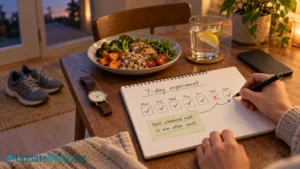
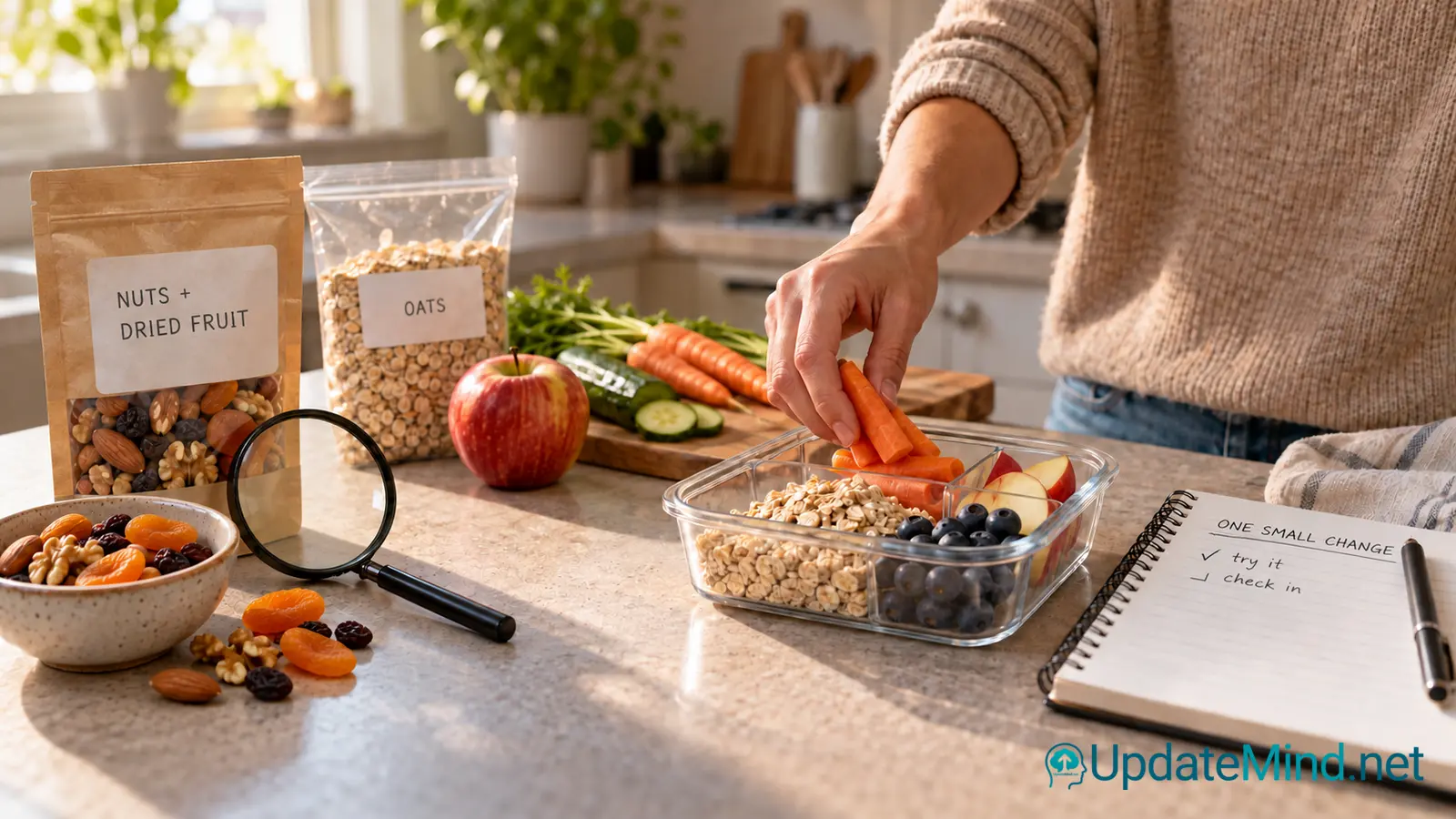
A dramatic reset can be difficult to maintain and makes it hard to know what helped. Choose one small action, such as adding a regular breakfast, preparing a vegetable-based side or replacing a sugary drink on some days, then review how practical it was.
Ignoring context
The most suitable approach depends on age, activity, culture, health conditions, allergies, medication, schedule and budget. General guidance cannot replace personalised advice for a medical condition or a specialised diet.
Using a simple review process
Before changing your routine, define the problem you are solving. After 1–2 weeks, ask whether the change was realistic, whether it improved the intended outcome and what made it difficult. Keep what works and adjust one variable at a time.
A practical beginner checklist
- Use a varied eating pattern rather than relying on one “superfood”.
- Prefer information from current, reputable health sources.
- Make changes proportionate to your actual goal.
- Check labels and serving information when using packaged foods.
- Ask a qualified professional for advice about a medical condition or restricted diet.
FAQ
What is the best first step?
Clarify one real need, choose one manageable change and observe what happens rather than trying to rebuild every meal at once.
Can a general guide guarantee a result?
No. Outcomes depend on context, consistency and individual circumstances.